


2026 Summer BRAIN
(Bridging Research And Innovation in Neuroscience) Program
The BRAIN (Bridging Research and Innovation in Neuroscience) Scholar medical student research program is part of the University of Hawaiʻi John Burns School of Medicine MD5 MED 599 Neuroscience Research Course. University of Hawaiʻi medical students may sign up for elective credit while working at BRAIN in MD5 MED 599 Neuroscience research credit.
Hawaiʻi BRAIN (Bridging Research & Innovation in Neuroscience) is a hybrid research ecosystem that leverages the innovative powerhouse of our global research partners and government agencies to support high impact neuroscience research in Hawaiʻi and beyond. Our primary mission is to turn data driven discoveries through basic science, translational and clinical research to fuel hope and contribute to the scientific knowledge and advance progress in the fight against neurological diseases especially those affecting Hawaiʻi and the Pacific Islands. The BRAIN is responsible for driving and leading Hawaiʻi’s Neuroscience RIDE (Research, Innovation, Discovery & Education) for over a decade now.
BRAIN’s mission is to support aspiring students to pursue their passion in neuroscience, research and develop leadership in this field to make an impact in their local community. It provides students the opportunity to work in a team setting working with seasoned investigators, junior investigators, residents, senior student leaders and junior students. BRAIN is proud to recognize exceptional medical students as “neuroscience academic scholars” and project leaders who have demonstrated exemplary academic abilities in neuroscience, leadership qualities, passion, and commitment to the pursuit of excellence in research and a commitment to make a difference in the local and global community. See their Publications & International Presentations.
Neurology/Neuroscience Faculty






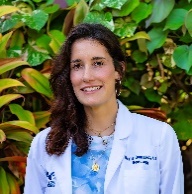





Questions? Contact BRAIN Scholar Program Director Kore Kai Liow, MD, kliow@hawaii.edu
Info: BRAIN Scholar Program · BRAIN Internship Program
2026 BRAIN Scholars/Medical Students
2026 BRAIN SCHOLARS
- Albert Jiang, MS3, Program Lead
- Kenji Aoki, MS3, Program Lead
- Sunny Choi, MS2, Project Lead
- Ma Magdalaine Anjeleigh Dela Cruz, MS2, Project Lead
- Karalyn Fong, MS2, Project Lead
- Joshua Grube, MS3, Project Lead
- Jayson Guo, MS2, Project Lead
- Taryn Kaneko, MS2, Project Lead
- Marissa Ludwig, MS2, Project Lead
- Emi Lin Luo, MS2, Project Lead
- Filippo Maldini, MS2, Project Lead
- Isa Miyamoto, OMS4, Project Lead
- Lindsay Oshiro, MS2, Project Lead
- Anna Peters, MS2, Project Lead
- Lauren Seu, MS2, Project Lead
- Kacie Sumikawa, MS2, Project Lead
- Motoki Tsuneoka, MS2, Project Lead
- Mia Viola, MS2, Project Lead
- Jaelynn Yim, MS2, Project Lead
- Rae Kamikawa, Project Lead
- Joshua Wung, Project Lead
2026 BRAIN INTERNS
- Alana Wickham, University of Hawaiʻi at Mānoa
- Alex Cao, ʻIolani School
- Alian Anjum, University of Hawaiʻi at Mānoa
- Barrett Jones, San Diego State University
- Baylee Tobin, University of Hawaiʻi at Mānoa
- Charity Mei Abanes, Sciences Po Paris
- Clara Li, Indiana University Bloomington
- Collin Lucas, University of Hawaiʻi at Mānoa
- Damien Thaw, University of Hawaiʻi at Mānoa
- Danielle Pascual, University of Hawaiʻi at Mānoa
- Edwin Arii, University of Hawaiʻi at Mānoa
- Emma O’Keefe, University of Hawaiʻi at Mānoa
- Ethan Arakaki, Santa Clara University
- Fatimata Lucia Coulibaly, Strasbourg University and Bordeaux University
- George Ishigooka, University of Hawaiʻi at Mānoa
- Grace Washington, Punahou School
- Isaiah Torres, Vanguard University
- Jenna Morrison, University of Michigan—Ann Arbor
- Jennifer Arca, University of Hawaiʻi at Mānoa
- Jessica Danh, University of Hawaiʻi at Mānoa
- Joshua Wung, Brown University
- Kaitlyn Jiuliano, Santa Clara University
- Kammiee-Marie Ardo, Carnegie Mellon University
- Katherine Viola, Boston College
- Katie Siarot, Santa Clara University
- Keane Palmer, Macalester College
- Kian Skinner, Boise State University
- Kyra Tran, University of Hawaiʻi at Mānoa
- Landon Nguyen, University of Hawaiʻi at Mānoa
- Leigh Antoinette Medina, University of Hawaiʻi at Mānoa
- Lleyton Chen, University of Hawaiʻi at Mānoa
- Mana Chun, University of Hawaiʻi at Mānoa
- Mary R. Mitchell, University of Hawaiʻi at Mānoa
- Maxwell Heidelberg, Pomona College
- Maya Kimura, Maryknoll School
- Nicholas Odani, University of Southern California
- Nikolas Stiavetti-Gaudio, University of Hawaiʻi at Mānoa
- Paisley Asato, University of Washington—Seattle
- Pamela Heiken, Arizona State University
- Sabine Mejia, University of Pennsylvania
- Quinn Humber, Punahou School
- Rae Kamikawa, Pitzer College
- Victor Lee, Columbia University
- Winston Freitas, Syracuse University
- Yuuka Brown, University of Hawaiʻi at Mānoa
2026 Summer Schedule
HPN Clinic (2230 Liliha St)
SUMMER ORIENTATION


(Zoom link)
Research Biostatistics I & II

(Zoom link)
MIDTERM Oral Presentations

How to Get Ready to Submit to National Meetings & Full-length Publications


Koʻolau Ballrooms (45-550 Kionaole Rd)
FINAL Poster Competition & 2026 Hawaii Neuroscience & Research Symposium


2026 Summer Research Projects

Personalized AI Brain Digital Twin for Alzheimer’s Disease Detection
Alzheimer’s disease (AD) and Mild Cognitive Impairment (MCI) are associated with subtle changes in brain activity that may emerge years before clinical symptoms become obvious. Electroencephalography (EEG) provides a non-invasive and low-cost method for measuring these brain dynamics, but traditional analysis approaches often fail to capture individualized neural patterns and disease progression trajectories. This project aims to develop an AI-powered personalized brain digital twin platform that learns individualized computational models of brain activity from EEG recordings. By combining deep learning, neural signal processing, and biophysically grounded brain modeling, the project seeks to create subject-specific AI representations capable of modeling how each individual’s cortical networks generate and respond to neural activity. The long-term vision is to enable earlier detection of Alzheimer’s disease, improve understanding of disease progression, and support simulation-based evaluation of personalized intervention strategies.
Students will help develop and validate the AI pipeline underlying the digital twin framework. Activities may include EEG preprocessing, feature extraction, machine learning model development, neural network training, and simulation-based inference methods used to align computational brain models with real physiological recordings. Students may also work with publicly available EEG datasets and pilot data collected within the laboratory to investigate whether AI-derived biomarkers can distinguish healthy aging, MCI, and early Alzheimer’s disease populations. The project integrates neuroscience, artificial intelligence, biomedical signal processing, and computational modeling, providing students with exposure to translational neurotechnology research and modern AI methods for precision brain health. Deliverables may include development of an EEG-to-digital-twin pipeline, pilot validation analyses, exploratory biomarker studies, and a final presentation or written feasibility report that contributes to future longitudinal clinical research efforts.





AI-based Immersive AR/VR Platform for Alzheimer’s Disease Symptoms Tracking and Monitoring
Alzheimer’s disease (AD) and Mild Cognitive Impairment (MCI) are associated with early impairments in spatial memory, navigation, attention, and executive functioning that may emerge years before traditional clinical diagnosis. Many existing cognitive assessments rely on brief paper-based tests that may not fully capture subtle real-world behavioral changes associated with early neurodegeneration. This project aims to develop an immersive augmented and virtual reality (AR/VR) platform that combines interactive cognitive tasks with artificial intelligence (AI)-driven behavioral analysis to enable earlier and more personalized detection of cognitive decline. Participants navigate realistic virtual environments designed to evaluate memory, navigation, decision-making, and multitasking abilities that depend on brain regions commonly affected in the earliest stages of Alzheimer’s disease, including the hippocampus and entorhinal cortex. During these immersive tasks, the platform captures rich multimodal behavioral data, including navigation trajectories, gaze behavior from integrated eye tracking, reaction times, task performance, movement patterns, and cognitive-motor interactions. AI and machine learning models are then used to analyze these signals and identify subtle behavioral signatures associated with healthy aging, Mild Cognitive Impairment, and early Alzheimer’s disease.
Students participating in this project will contribute to the development and validation of the AR/VR assessment platform and associated AI analysis pipeline. Activities may include virtual environment design, behavioral data analysis, machine learning model development, multimodal signal integration, usability testing, and validation using pilot participant data and publicly available datasets. Students may also help evaluate whether immersive behavioral biomarkers can improve prediction of cognitive decline compared to traditional assessment approaches. This interdisciplinary project combines neuroscience, artificial intelligence, immersive technologies, cognitive assessment, and digital health research. Students will gain exposure to translational neurotechnology research and emerging approaches for scalable, engaging, and potentially home-deployable cognitive monitoring systems aimed at supporting earlier detection and intervention in Alzheimer’s disease and related dementias.




Evaluating Alpha Reactivity as a Marker of Cognitive Dysfunction in Mild Cognitive Impairment via Biomarker-Based Electrophysiology for Advanced Monitoring (BEAM)
Mild cognitive impairment (MCI) is a stage of cognitive decline in which patients often remain functionally independent but may progress to Alzheimer's disease or other dementia syndromes. Patients with MCI vary substantially in clinical course and underlying patterns of brain dysfunction, motivating the search for accessible biomarkers that can better characterize early disease. Alpha reactivity, which refers to the change in alpha-band EEG activity between eyes-closed and eyes-open resting states, has shown promise in this role, with prior studies linking reduced alpha reactivity to greater cognitive impairment, amyloid-β burden, and cholinergic pathways relevant to attention. This retrospective study will use Biomarker-Based Electrophysiology for Advanced Monitoring (BEAM) to test whether alpha reactivity and other state-dependent resting EEG changes are associated with functional differences among patients with MCI, including cognitive task performance, task-evoked brain activity, and cognitive screening test scores. Students will perform chart review, extract clinical and BEAM variables, and help prepare results for presentation and possible publication.






Post-Market Safety Evaluation of Alzheimer’s Disease and Parkinson’s Disease Medications via FAERS
Many neurologic medications have limited real-world post-marketing safety evaluations, despite widespread clinical use. The FDA Adverse Event Reporting System (FAERS) is a large database containing millions of voluntarily and manufacturer-submitted reports of adverse drug events, allowing researchers to detect potential safety signals that may not have been evident in clinical trials. New anti-amyloid therapies, including Lecanemab and Donanemab, require additional insight, particularly in regard to ARIA incidence. Further, pharmacotherapy for Parkinson’s Disease require additional investigation. The objective of this project is to conduct a pharmacovigilance disproportionality analysis using FAERS data to identify adverse event patterns and potential novel safety signals for selected neurologic medications. Students will extract FAERS quarterly data for reports in which the target drug is listed as the primary suspect, collect adverse event terms (MedDRA codes), seriousness outcomes, demographics, time-to-onset variables, and concomitant medication data, and apply multiple signal-detection algorithms (ROR, PRR, BCPNN, EBGM).






Comparison of EEG Biomarkers in Mild Cognitive Impairment with Controlled versus Uncontrolled Hypertension
Mild cognitive impairment (MCI) is a disease state in which memory, attention, learning, and similar capabilities are decreased below a patient’s baseline level. It is often a pre-dementia stage – specifically Alzheimer’s Disease – and has been shown to be associated with a variety of comorbid conditions, of which one of the most prominent is hypertension. Hypertension and other forms of cerebrovascular disease have been shown to increase the risk of MCI’s progression to dementia, among other end organ damage effects. BEAM is an EEG platform that was designed with machine learning to record biomarkers in various neurodegenerative diseases. A previous study has demonstrated the potential effect of hypertension to influence these biomarkers in MCI patients when compared to non-hypertensive controls, but it is unclear the extent to which cerebrovascular disease in particular may affect these same biomarkers. Students will extract and compare BEAM biomarkers to MRI scales for assessing cerebrovascular disease and dementia progression (i.e. Fazekas Scale, Global Cortical Atrophy, and Medial Temporal Atrophy).




Understanding the Role of Metabolic Dysfunction in Migraine Pathogenesis
Emerging evidence suggests migraine—especially chronic migraine—is associated with insulin resistance and obesity, raising the possibility that metabolic dysfunction contributes to migraine progression. However, paradoxically, established diabetes has been associated with lower migraine prevalence in some studies, possibly due to reduced hypoglycemia-related triggers or altered neurovascular physiology. In Hawaii, where obesity and diabetes rates are particularly high in Native Hawaiian and Pacific Islander populations, a large neurology clinic dataset offers a unique opportunity to explore these metabolic-migraine relationships. The objective of this retrospective EMR-based project is to evaluate whether migraine patients demonstrate abnormal metabolic markers (HbA1c, glucose, insulin resistance indices, BMI) and whether these markers correlate with migraine severity or chronicity. Students will extract metabolic biomarkers (HbA1c, fasting glucose, fasting insulin), calculate insulin resistance indices (e.g., HOMA-IR), collect BMI and diabetes diagnosis status, and link these findings to migraine outcomes such as headache days, disability scores, and chronic vs episodic classification.





Post-Market Safety Evaluation of Anti-Seizure Medications via FAERS
Many neurologic medications have limited real-world post-marketing safety evaluations, despite widespread clinical use. The FDA Adverse Event Reporting System (FAERS) is a large database containing millions of voluntarily and manufacturer-submitted reports of adverse drug events, allowing researchers to detect potential safety signals that may not have been evident in clinical trials. Essential neurologic drug classes, including anti-epileptic medications, anti-seizure, and essential tremor drugs such as propranolol, primidone, topiramate, gabapentin appear to have major gaps in FAERS-based safety analysis literature. The objective of this project is to conduct a pharmacovigilance disproportionality analysis using FAERS data to identify adverse event patterns and potential novel safety signals for selected neurologic medications. Students will extract FAERS quarterly data for reports in which the target drug is listed as the primary suspect, collect adverse event terms (MedDRA codes), seriousness outcomes, demographics, time-to-onset variables, and concomitant medication data, and apply multiple signal-detection algorithms (ROR, PRR, BCPNN, EBGM).






Impact of Loosening the Vigabatrin Safety Program on Reporting of Vision Problems
Vigabatrin [Sabril] is an anti-seizure drug that works well but it carries a real downside: it can permanently damage peripheral vision in some patients. When the FDA approved it in 2009, tight guardrails were put in place. Prescribers had to get certified, patients had to enroll in a national registry, and pharmacies had to log every prescription dispensed.
By 2018, the FDA concluded that some of those requirements had outlived their usefulness. The patient registry and pharmacy tracking were dropped, though prescriber certification and mandatory eye exams remained. The core safety message was considered well-established by that point.
That decision raises a straightforward but important question: once those extra layers of oversight came off, did reports of vision problems go up, go down, or stay about the same?






Racial Disparities in Diabetes Prevalence and Peripheral Neuropathy Characteristics: A Single-Center Retrospective Review of Native Hawaiians and Other Pacific Islanders in Hawaiʻi
Peripheral neuropathy is a painful and debilitating complication of type 2 diabetes where patients typically lose feeling in their hands and feet before experiencing muscle weakness or autonomic symptoms like dizziness and fainting. Current screening guidelines heavily focus on sensory tests like monofilament and vibration testing to catch the disease early. Native Hawaiians and Pacific Islanders (NHPI) communities have some of the highest rates of type 2 diabetes in the United States, yet they are rarely represented in neuropathy research. A prior retrospective study at Hawaii Pacific Neuroscience found NHPI patients had less documented sensory loss but significantly more muscle weakness and dizziness than White and Asian patients even after accounting for age, BMI, and diabetes status. This study will investigate the role of HbA1c values, diabetes duration, sensory loss, muscle weakness, and dizziness on falls and fractures in a diverse sample of patients with peripheral neuropathy. This project will build a more complete picture of how peripheral neuropathy presents differently in NHPI patients and how these variables affect the risk of falling and injury.




Racial and Ethnic Differences in Sleep Endoscopy Outcomes and Upper Airway Collapse
Drug induced sleep endoscopy is a procedure required before a hypoglossal nerve stimulator can be placed to identify specific sites of upper airway collapse. Previous research has highlighted demographic factors—including age, sex, and BMI—influence the particular regions and types of collapse these patients experience to inform clinical decision-making. While some studies have emphasize the role of race and ethnicity, these studies have been limited and have largely excluded analysis of Pacific Islanders.
This study will conduct a retrospective chart analysis of previous endoscopy patients to determine the type of collapse they experienced and if racial, ethnic, and other demographic markers correlate with certain trends and types of upper airway collapse.





Examining the Burden of Smoking in Individuals with Migraines
Smoking is known to disrupt metabolism by lowering vitamin B12 and folate levels and increasing metabolites such as homocysteine and methylmalonic acid (MMA), which can reflect functional B12 deficiency. Because B12/folate-related metabolic abnormalities may contribute to neurologic symptoms, it is plausible that smokers with migraine could demonstrate a distinct biochemical profile associated with increased headache burden. The objective of this retrospective chart review is to determine whether smoking status is associated with abnormal B12/folate pathway biomarkers in neurology patients, and whether these abnormalities correlate with migraine severity measures such as monthly headache days, disability scores, or emergency department utilization. Students will mine de-identified records and extract lab values (B12, folate, homocysteine, MMA), CBC markers (e.g., MCV), clinical migraine severity data, and relevant confounders (e.g., renal function, metformin/PPI use, supplementation).





Assessing Vitamin D Deficiency in Neuropathy, Chronic Pain Syndrome and Migraine
Vitamin D deficiency has been linked to chronic pain syndromes and neurologic complaints, including migraine and neuropathy, but the relationship remains incompletely understood—particularly in regions like Hawaii where sunlight exposure is abundant but vitamin D deficiency may still occur due to sun avoidance, skin pigmentation, or lifestyle factors. The objective of this retrospective study is to compare vitamin D levels and deficiency prevalence between patients diagnosed with migraine and those diagnosed with peripheral neuropathy, and to determine whether lower vitamin D levels correlate with increased symptom severity in either group. Students will extract de-identified neurology clinic data for patients with a documented 25-hydroxyvitamin D level measured near the time of diagnosis and collect disease severity measures (e.g., migraine disability scores, headache frequency, EMG findings, neuropathy symptom scores), along with confounders such as BMI, ethnicity, season of testing, and supplementation history.





Factors Associated with Prolonged Symptom Duration Prior to Diagnosis of Intracranial Meningiomas in Hawaii
Meningiomas are the most common primary intracranial tumors in adults and frequently present with slowly progressive or nonspecific neurological symptoms, such as headaches, seizures, visual disturbances, and cognitive changes. Due to their indolent growth patterns, meningiomas may remain undiagnosed for prolonged time periods, which can contribute to increased tumor burden at presentation and greater neurologic morbidity. Recent retrospective studies in Hawaii demonstrated differences in meningioma size at diagnosis, with Native Hawaiian and Pacific Islander (NHPI) patients presenting with significantly larger tumors compared to White patients. Similar disparities in tumor burden at presentation have been observed in other racial and ethnic populations nationally. However, the factors contributing to these differences remain to be explored.
The objective of this study is to explore factors associated with prolonged symptom duration prior to diagnosis of intracranial meningiomas in Hawaii. Specifically, this study will use a retrospective chart analysis to investigate whether prolonged symptom duration is associated with increased tumor burden at presentation and whether demographic (e.g., age, gender, race/ethnicity, insurance), symptom-related (seizures, headache, visual changes, memory changes), and tumor-specific (e.g., size, location, WHO grade) factors influence symptom duration prior to diagnosis. This study may help clarify potentially modifiable contributors to differences in tumor burden at presentation.



Post-Market Safety Evaluation of Neuropsychiatric Disease Medications via FAERS
Many neurologic medications have limited real-world post-marketing safety evaluations, despite widespread clinical use. The FDA Adverse Event Reporting System (FAERS) is a large database containing millions of voluntarily and manufacturer-submitted reports of adverse drug events, allowing researchers to detect potential safety signals that may not have been evident in clinical trials. The wide diversity of neuropsychiatric medications warrant additional investigation. The objective of this project is to conduct a pharmacovigilance disproportionality analysis using FAERS data to identify adverse event patterns and potential novel safety signals for selected neurologic medications. Students will extract FAERS quarterly data for reports in which the target drug is listed as the primary suspect, collect adverse event terms (MedDRA codes), seriousness outcomes, demographics, time-to-onset variables, and concomitant medication data, and apply multiple signal-detection algorithms (ROR, PRR, BCPNN, EBGM).