
Honolulu, October 2026

The neurologists, epileptologists and research team of Hawaii’s Comprehensive Epilepsy Center & Epilepsy Research Unit.
The Hawaii Comprehensive Epilepsy Center and Epilepsy Research Unit have been awarded a new Phase 3 study investigating JZP926 (CBD oral solution, Epidiolex) for the treatment of developmental and epileptic encephalopathy (DEE).
The study brings an advanced epilepsy treatment option to Hawaii, so that local families no longer have to travel to the mainland to take part in research of this kind.
What Is Developmental and Epileptic Encephalopathy?
Developmental and epileptic encephalopathy (DEE) refers to a group of severe epilepsies characterized by seizures that are often drug-resistant. The term encephalopathy describes significant developmental delay, or even the loss of developmental skills already gained.
In the DEEs, two separate factors contribute to developmental delay. This distinction matters for treatment: if seizure control can be improved, the epileptic encephalopathy component of the delay should also improve.
About Epidiolex
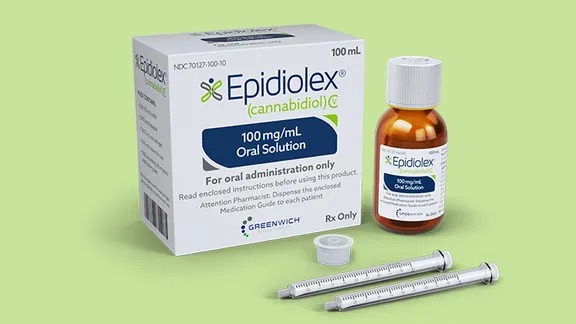
Epidiolex is a prescription oral solution containing highly purified, plant-derived cannabidiol (CBD). It is FDA-approved to treat Lennox-Gastaut syndrome (LGS), Dravet syndrome, and tuberous sclerosis complex (TSC).
It works through several pathways at once. It binds to TRPV1 channels and GPR55 receptors to reduce calcium influx into brain cells, and interacts with ENT-1 to alter adenosine signaling. Together these actions dampen excess release of glutamate, the brain’s primary excitatory chemical, which helps stabilize abnormal electrical activity across neural networks.
About the Study
This is a Phase 3, multicenter, randomized, placebo-controlled, double-blind study evaluating the efficacy and safety of CBD oral solution (CBD-OS) in participants with DEE.
Phase 3
Randomized, double-blind, placebo-controlled
Age 1+
Participants aged 1 year and older with DEE
6 Weeks
Double-blind treatment period
The primary objective of the 6-week double-blind treatment period is to assess whether CBD-OS reduces the frequency of countable motor seizures compared with placebo in participants with DEE.

Learn More or Enroll
To ask about taking part, contact our dedicated epilepsy research hotline:
Study identifier: NCT07723976. Eligibility is determined by the study team after a screening evaluation.
