

Honolulu, June 2026 — The Hawaii Comprehensive Epilepsy Center & Epilepsy Research Unit has been awarded a study investigating JZP926 or Epidiolex for the treatment of Juvenile Myoclonic Epilepsy (JME). JME is the most common generalized epilepsy syndrome. Myoclonic jerks or seizures in JME typically occur within one to two hours of waking in the morning or after a nap. They are described as shock-like, irregular movements of both arms. At times the movements affect only the fingers, making a person appear clumsy or prone to dropping things. These myoclonic jerks are often triggered by lack of sleep and flashing lights.
How Epidiolex Works
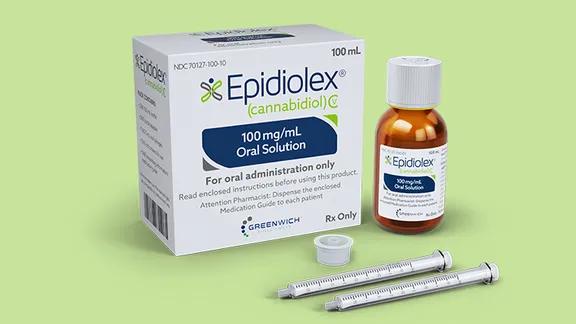
Epidiolex is a prescription oral solution containing highly purified, plant-derived cannabidiol (CBD) that is FDA-approved to treat Lennox-Gastaut Syndrome (LGS), Dravet syndrome, and tuberous sclerosis complex (TSC). It binds to TRPV1 channels and GPR55 receptors to reduce calcium influx into brain cells, and interacts with ENT-1 to alter adenosine signaling — effectively dampening excess glutamate release, the brain’s primary excitatory chemical. This combination helps stabilize abnormal electrical activity across neural networks.
About the Study
This is a Phase 2/3, multicenter, randomized, double-blind, placebo-controlled study to evaluate the safety and efficacy of JZP926 in participants aged 10 years and older for the treatment of Juvenile Myoclonic Epilepsy.
Who May Qualify
- Age 10 years and older
- Diagnosis of Juvenile Myoclonic Epilepsy (JME)
- At least 4 myoclonic seizure days per month
- Receiving at least 1 and fewer than 4 anti-seizure medications (ASMs)

“Our neurologists, epileptologists & researchers at Hawaii’s Comprehensive Epilepsy Center & Epilepsy Research Unit are honored to contribute to this important study and making available this option to our local island populations who no longer have to travel to the Mainland for advanced epilepsy treatments.”
— Darren Dugas, MD, Neurologist & Principal Investigator, Hawaii Comprehensive Epilepsy Center and Video-EEG Epilepsy Monitoring Unit (EMU); Hawaii Epilepsy Research UnitDedicated Epilepsy research hotline
(808) 564-6141 | info@HawaiiNeuroscience.com
